- Tel: +86 13451474678 / 13451474678
- Email: / hbzinanmech@gmail.com

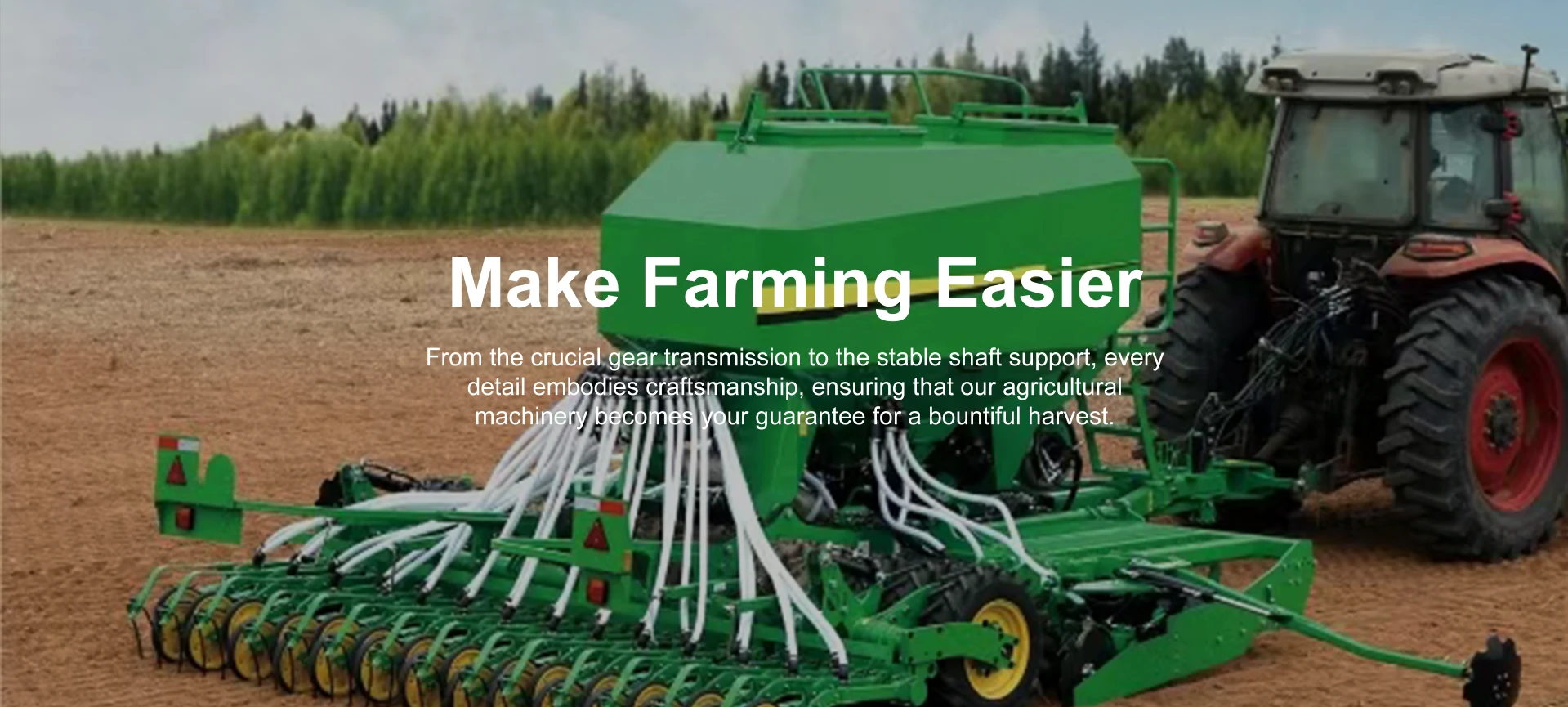
agri union harvester
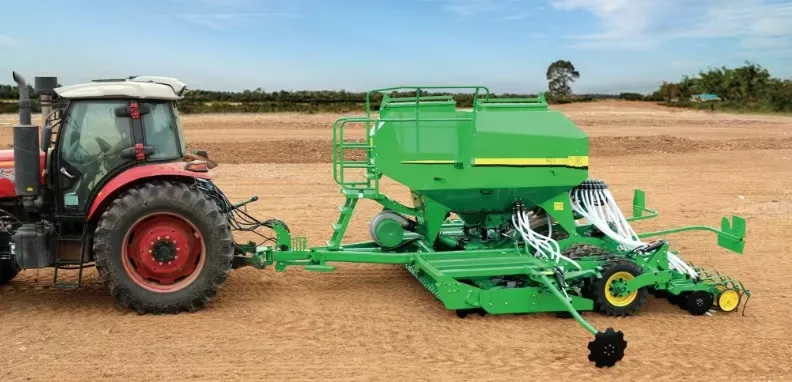
Industry Trends in Agricultural Seeding Technology and Custom Solutions The agricultural sector, alongside landscaping and land reclamation, constantly seeks innovative and cost-effective solutions for efficient seed deployment. While large-scale commercial machinery dominates industrial farming, there's a significant and growing demand for adaptable, smaller-scale, and often more specialized seeding equipment. This demand is particularly pronounced in scenarios requiring precision planting, soil conservation (no-till methods), and for operations with budget constraints or unique topographical challenges. The emergence of customized and even homemade grass seed drill solutions addresses this niche, providing an economical alternative to off-the-shelf industrial units. These bespoke drills allow for greater control over material selection, design modifications, and operational parameters, making them ideal for pasture renovation, wildlife food plots, residential lawn seeding, and specialized cover crop applications. The trend towards sustainable agriculture also emphasizes minimum tillage and no-till practices, further fueling the need for versatile equipment capable of handling diverse seed types and soil conditions with minimal disturbance. Modern agricultural practices are increasingly adopting data-driven approaches and precision technology. However, for smaller operations or specific tasks, the cost-benefit analysis often favors robust, easy-to-maintain, and highly customizable tools. This is where the concept of a homemade no till seed drill or a general homemade seed drill gains significant traction, offering a blend of traditional craftsmanship with contemporary needs for efficiency and specific application. The focus shifts from mass production to tailored functionality, enabling users to optimize their seeding efforts for specific local conditions and crop requirements without significant capital expenditure. Manufacturing Process Flow for a Homemade Grass Seed Drill The creation of a robust homemade grass seed drill involves a methodical process, combining readily available materials with fundamental engineering principles. This process emphasizes durability, functionality, and ease of maintenance, reflecting a practical approach to agricultural machinery development. Below is a detailed breakdown of the typical manufacturing stages: 1. Design and Planning This initial phase involves conceptualizing the drill's architecture, including its frame, hopper, metering mechanism, openers, and press wheels. Detailed blueprints or sketches are developed, specifying dimensions, material types, and connection points. Considerations for seed type, soil conditions (e.g., no-till capability), and desired working width are paramount. 2. Material Sourcing and Preparation Common materials include structural steel (e.g., ASTM A36 for frames, square tubing), abrasion-resistant steel (for disc openers, often AR400 grade), and galvanized steel or heavy-duty plastic for hoppers. Components like bearings, chains, sprockets, and fasteners are sourced to meet specific load and durability requirements, often adhering to ANSI standards for dimension and strength. Material preparation involves cutting, grinding, and forming. 3. Frame Fabrication (Welding & Assembly) The core frame is typically fabricated through welding processes (e.g., MIG, TIG), ensuring strong, rigid joints. Precision jigs may be used to maintain dimensional accuracy. This stage establishes the structural integrity of the drill, onto which all other components will be mounted. 4. Component Manufacturing & Integration Key components like seed metering plates (often CNC machined for precision), disc openers (forging or laser-cut, heat-treated), and press wheels (fabricated or purchased) are prepared. These are then integrated into the frame. The metering system, crucial for seed flow, requires precise calibration. 5. Surface Treatment and Finishing To enhance corrosion resistance and extend service life, components may undergo sandblasting, priming, and powder coating or painting. Galvanization for certain parts is also common. This step is crucial for durability, especially in harsh agricultural environments. 6. Assembly and Testing Final assembly involves attaching seed tubes, hoppers, drive mechanisms, and depth control linkages. Rigorous testing follows, including calibration of seed rates, verification of opener depth, and operational checks for component alignment and smooth functioning. Quality assurance often aligns with ISO 9001 principles for process control, even in a custom build. Figure 1: Illustration of robust construction for agricultural equipment, applicable to a custom-built seed drill. Target Industries and Advantages: A well-constructed homemade seed drill finds application across diverse sectors including small-scale agriculture, forestry for reforestation efforts, landscaping for large area turf establishment, and environmental reclamation projects. Its primary advantages often include significant cost savings compared to commercial units, enhanced adaptability to specific terrain and seed types, and simplified maintenance due to familiar components. In typical application scenarios, these drills offer precise seed placement, reducing seed wastage, and with proper design, can facilitate energy-saving minimum-tillage or no-till practices. The careful selection of materials and finishes (e.g., powder coating, galvanized parts) ensures superior corrosion resistance, contributing to a longer service life that can rival or exceed certain commercial entry-level models. Technical Specifications and Performance Parameters When developing a homemade grass seed drill , careful consideration of technical specifications is paramount to ensure optimal performance. These parameters are often benchmarked against commercial equivalents to achieve professional-grade results. The design and construction will typically focus on robustness, precision, and ease of adjustment for varying field conditions and seed types. Typical Specifications for a Custom-Built Grass Seed Drill Parameter Value/Description Notes on Customization Working Width 1.2m - 2.5m (4ft - 8ft) Adjustable based on tractor/ATV size and field dimensions. Number of Rows 6 - 12 (adjustable spacing) Dependent on desired seeding density and width. Row Spacing 15cm - 30cm (6in - 12in) Configurable for different grass types and weed control. Seed Hopper Capacity 100L - 300L (approx. 75-225kg grass seed) Designed for extended operation, balanced for towing. Opener Type Single Disc, Double Disc, or Chisel/Hoe Choice based on soil type (no-till vs. prepared seedbed). Disc openers require robust bearings. Depth Control Adjustable via linkage or independent wheel/skid Critical for optimal germination; typically 0.5cm - 2.5cm (0.2in - 1in). Press Wheel Type Rubber, Steel, or Cast Iron Ensures seed-to-soil contact for germination; chosen for soil type. Drive Mechanism Ground-driven (chain/sprocket) or Electric (12V) Ground-driven is simpler, electric offers variable rate control. Frame Material Heavy-gauge Steel (e.g., A36 structural steel) Ensures longevity and resistance to bending/torsion. Weight (Empty) Approx. 250kg - 600kg (550lbs - 1300lbs) Influences towing vehicle requirement and ground penetration. Power Requirement ATV, UTV, or Small Tractor (20-50 HP) Matched to the towing capacity of available equipment. Adherence to standards like ISO 9001 (for quality management in production processes, even custom ones) and using components that meet ANSI specifications for bearings and fasteners significantly boosts the reliability and longevity of a homemade seed drill . The choice of opener type, for instance, is critical for achieving successful no-till planting, where disc openers cut through residue to place seeds directly into the undisturbed soil. Careful calibration of the metering mechanism, often involving gear ratios or electronic controls, ensures uniform seed distribution and optimal plant stand establishment. Application Scenarios and Technical Advantages The versatility of a custom-built homemade grass seed drill makes it suitable for a wide array of applications where specialized or smaller-scale seeding is required. These scenarios often present challenges that larger, more rigid commercial machines struggle to address efficiently or economically. Pasture Renovation: For rejuvenating existing pastures, a no-till homemade seed drill can precisely place new grass varieties directly into sod, improving forage quality and yield without extensive soil disruption. This preserves soil structure and moisture. Wildlife Food Plots: Landowners and wildlife management organizations utilize these drills to establish diverse food plots for deer, turkey, and other wildlife. The ability to customize row spacing and seed depth is crucial for different plant species. Large-Scale Lawn & Turf Establishment: For residential developments, golf courses, or sports fields, custom drills offer cost-effective seeding of large areas, ensuring uniform coverage and faster establishment of healthy turf. Erosion Control and Land Reclamation: In areas susceptible to erosion, such as steep slopes, disturbed construction sites, or post-mining areas, a precisely designed seed drill can plant stabilizing grasses and cover crops efficiently, promoting soil stabilization. Cover Cropping: Farmers integrate custom drills for inter-row planting of cover crops to improve soil health, suppress weeds, and manage nutrients, often in conditions where standard equipment is too large or inflexible. Key Technical Advantages: Cost-Effectiveness: By leveraging readily available materials and DIY expertise, the capital investment is significantly lower than purchasing a new commercial unit, making high-quality seeding accessible to smaller operations. Customization & Adaptability: The ability to tailor the drill's dimensions, opener types (e.g., specific single-disc for heavy residue, double-disc for varied soil), seed metering mechanisms, and attachment points allows for perfect alignment with specific soil types, terrain, seed varieties, and towing vehicles (ATVs, UTVs, compact tractors). This inherent flexibility is unmatched by off-the-shelf products. Maintenance & Repair Simplicity: Constructed with common tools and materials, repairs are often straightforward, utilizing standard parts. This minimizes downtime and ongoing operational costs. No-Till Capability: With appropriate opener design and adequate downforce, a homemade no till seed drill can effectively plant into undisturbed soil, reducing erosion, conserving moisture, and building soil organic matter, aligning with modern sustainable agricultural practices. Precision Seed Placement: With properly designed and calibrated metering systems and depth control, these drills can achieve excellent seed-to-soil contact and consistent planting depths, vital for optimal germination rates and uniform stand establishment. Vendor Comparison: Homemade vs. Commercial Seed Drills The decision between a custom-built homemade seed drill and a commercially manufactured unit involves weighing several critical factors, primarily cost, functionality, and long-term support. While commercial vendors offer established quality and immediate availability, the DIY approach provides unique benefits for specific user profiles. Comparison: Homemade vs. Entry-Level Commercial Seed Drills Feature/Aspect Homemade Grass Seed Drill Entry-Level Commercial Seed Drill Initial Cost Low (Cost of materials and parts only) Moderate to High (Brand premium, R&D costs) Customization Extremely High (Designed to exact specifications) Limited (Pre-set configurations, optional add-ons) Parts Availability/Repair Excellent (Uses common, readily available parts) Good (Brand-specific parts, dealer network) Build Time Significant (Requires planning, fabrication, assembly) Immediate (Off-the-shelf purchase) Warranty/Support None (Warranty on individual purchased components only) Full manufacturer warranty and dealer support Resale Value Low (Niche market, specific to builder's design) Moderate to Good (Established market value) Quality & Durability Highly variable (Depends on builder's skill & material choice) Consistent (Engineered and tested to standards) For businesses or individuals who possess mechanical aptitude and fabrication capabilities, a custom-built solution offers unparalleled control over design, ensuring the tool is perfectly suited for niche applications or unique operational demands. While the lack of a commercial warranty for the complete unit might be a deterrent for some, the cost savings and specific functionality can outweigh this for others. This approach often fosters a deeper understanding of the equipment, leading to more effective maintenance and troubleshooting. Customized Solutions and Application Case Studies The inherent strength of a homemade seed drill lies in its potential for complete customization. This allows users to create seeding equipment that precisely matches their operational needs, soil conditions, and specific seed requirements, a flexibility rarely found in mass-produced machinery. From specialized opener designs for rocky terrain to unique metering systems for unusual seed sizes, the possibilities are vast. Customization Capabilities: Opener Configuration: Selecting between single-disc, double-disc, or hoe-type openers, each optimized for different tillage practices (no-till, minimum-till, conventional) and soil types. Seed Metering Systems: Designing or adapting metering plates and brushes for precise dispensing of various seed sizes and shapes, from tiny grass seeds to larger legumes or cereal grains. Depth Control Mechanisms: Implementing specific wheel or skid designs, often with spring-loaded parallel linkages, to maintain consistent seeding depth across uneven terrain, crucial for germination. Frame and Hopper Design: Modifying overall dimensions to fit specific towing vehicles (e.g., ATV, compact tractor), adjusting hopper capacity for different field sizes, and adding fertilizer or granular herbicide compartments. Weight Distribution and Downforce: Strategic placement of components and addition of ballast for optimal ground penetration, especially vital for no-till applications in compacted soils. Application Case Studies: Case Study 1: Pasture Renovation in Hilly Terrain A small beef cattle operation in the Appalachian foothills required renovating 50 acres of degraded pastureland. Commercial no-till drills were too heavy and expensive for their 40HP tractor and often struggled with the steep slopes and rocky sections. They opted to build a homemade no till seed drill , customizing it with heavy-duty, individually sprung double-disc openers to handle surface residue and small rocks. The frame was designed to be narrower and lighter, specifically for their tractor, and incorporated a simple, robust chain-driven metering system for fescue and clover seeds. The total material cost was less than 20% of a comparable commercial unit. After two seasons, the pasture's forage quality significantly improved, increasing grazing capacity and reducing supplemental feed costs. The drill's ability to maintain consistent seed depth on uneven ground proved critical for the success of this project. Case Study 2: Municipal Parks Turf Establishment A municipal parks department faced the recurring challenge of re-seeding large areas of turf damaged by heavy public use and seasonal erosion. Their existing broadcast spreaders provided inconsistent coverage, leading to patchy growth. Investing in a commercial precision drill was deemed cost-prohibitive. Leveraging their in-house welding and fabrication expertise, they constructed a trailer-mounted homemade seed drill that could be pulled by their existing utility vehicle (UTV). This drill featured rubber press wheels for gentle seedbed contact, adjustable shoe-type openers for prepared soil, and a custom-designed hopper with a fine-seed metering system. The project resulted in significantly more uniform turf establishment, reduced seed consumption by 30% due to precise placement, and an overall healthier, more aesthetically pleasing park environment. The local government cited the project as a successful example of resourcefulness and cost efficiency. Trustworthiness, Support, and FAQ While a homemade grass seed drill inherently lacks a traditional vendor-backed warranty for the complete unit, trustworthiness is built through robust design, quality component sourcing, and diligent construction practices. For individual components (e.g., bearings, chains, specific openers), standard manufacturer warranties apply. Community knowledge sharing and access to technical documentation for individual parts are crucial for ongoing support. Frequently Asked Questions (FAQ): Q: What are the primary cost savings of building a homemade seed drill? A: Significant savings come from avoiding the R&D and marketing overheads of commercial products. Users primarily pay for raw materials and component parts, which can be 50-80% less than an equivalent commercial unit. Q: How do I ensure precise seed metering and depth control? A: Precision is achieved through careful design of the metering mechanism (e.g., custom-cut seed plates, brush-feed systems) and adjustable depth wheels or skids. Calibration with actual seed is essential, often involving multiple test runs. Q: What materials are best for openers in a no-till setup? A: For no-till, high-carbon steel disc openers (often heat-treated) or abrasion-resistant (AR) steel for chisel/hoe points are recommended due to their durability and ability to cut through residue and compacted soil. Q: Is specific expertise required to build one? A: Basic to intermediate welding, fabrication, and mechanical assembly skills are highly beneficial. Access to tools like welders, grinders, and drills is essential. Numerous online resources and communities offer guidance. Lead Time & Fulfillment for Components: Lead times for individual components can vary based on availability and sourcing. Common structural steel and standard fasteners are typically available off-the-shelf from local suppliers. Specialized parts like bearings, precision-cut disc openers, or specific gear ratios may require ordering from agricultural supply houses or online vendors, with lead times ranging from a few days to several weeks. Planning and pre-ordering critical components are vital for an efficient build schedule. Warranty Commitments: The complete homemade seed drill does not carry a unified manufacturer's warranty. However, all purchased individual components (e.g., bearings, chains, specific off-the-shelf openers) typically come with their respective manufacturer's warranties, covering defects in materials or workmanship. Builders should retain receipts and documentation for these parts. Customer Support & Resources: Support for a homemade drill primarily comes from the extensive DIY and agricultural online communities (forums, social media groups, YouTube channels). These platforms offer a wealth of shared experience, design ideas, troubleshooting advice, and collaborative problem-solving. Local agricultural extension offices and vocational schools may also provide guidance on best practices for seeding and equipment operation. For specific component issues, support is provided by the original component manufacturer. References Smith, T., & Lang, L. (2004). Farm Shop Planning & Building. Storey Publishing. Iowa State University Extension and Outreach. (n.d.). No-Till and Strip-Till Planter and Drill Adjustments. Available at: https://crops.extension.iastate.edu/cropnews/2012/03/no-till-and-strip-till-planter-and-drill-adjustments United States Department of Agriculture (USDA) National Agricultural Library. (n.d.). Sustainable Agriculture: Tillage and Planting Systems. Available at: https://www.nal.usda.gov/farms-and-agricultural-production-systems/sustainable-agriculture/tillage-and-planting-systems American Society of Agricultural and Biological Engineers (ASABE) Standards. (various dates). ASABE Standards for Agricultural Machinery. Online forums and communities dedicated to DIY farm equipment and small-scale agriculture (e.g., TractorByNet, SmallFarmers.com).
-
0YEARS IN THE FIELD
-
0 KEXPERIENCED STAFFS
-
-
-
0 kACCOMPLISHED PROJECT
-
0SATISFIED CLIENTS
-
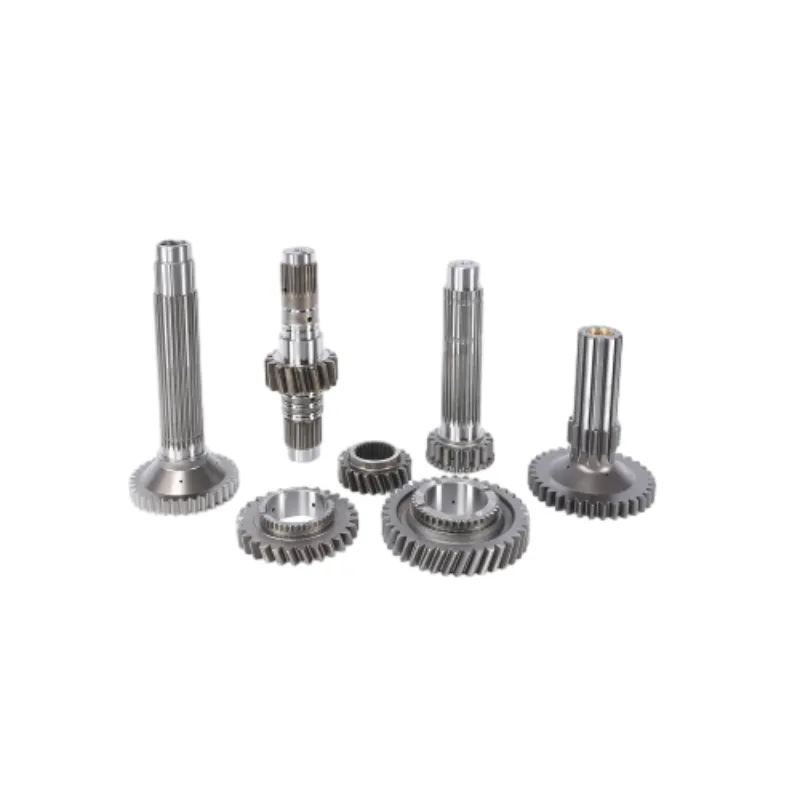
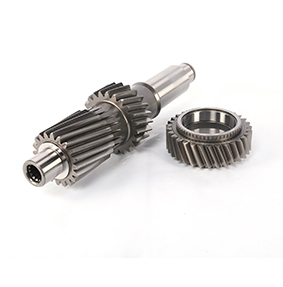
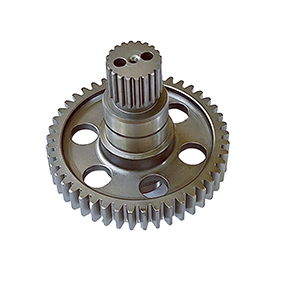
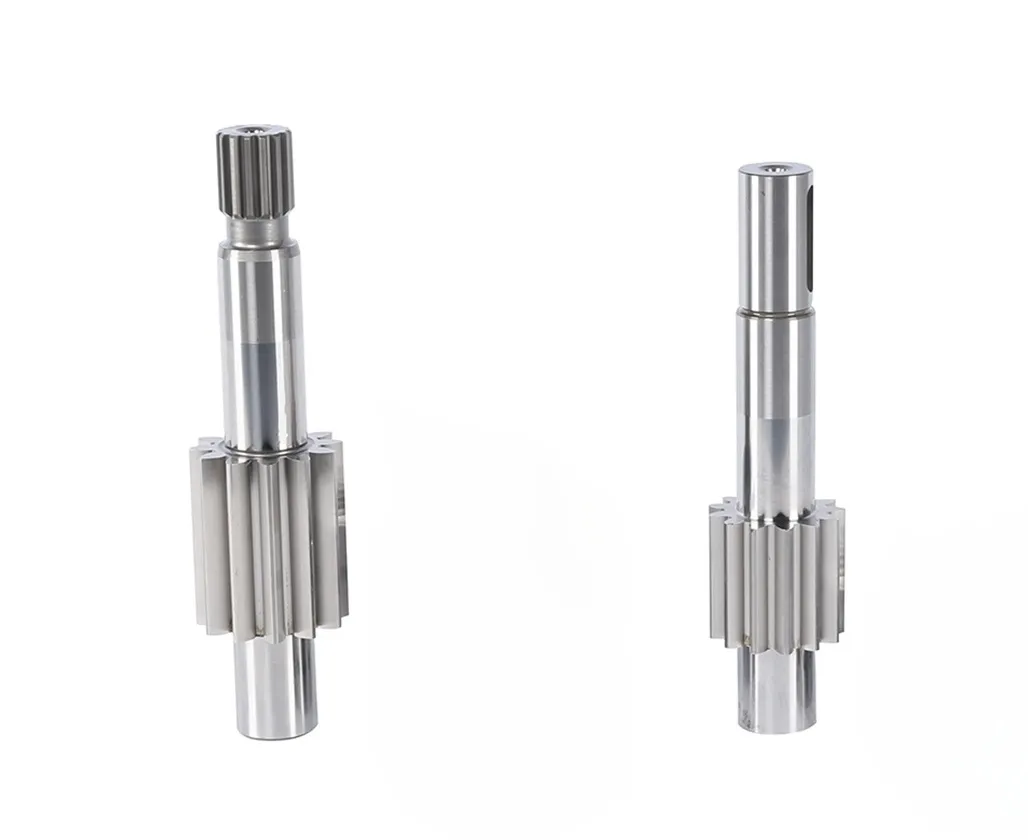
01The Application of Agricultural Machinery Gears In The IndustryAgricultural machinery gears are widely used in the agricultural machinery industry. In tractors, gears are applied to the transmission system. They can transmit the power from the engine to the wheels and achieve different speeds and torques through different gear combinations, so as to adapt to various working conditions such as plowing and transportation.
-
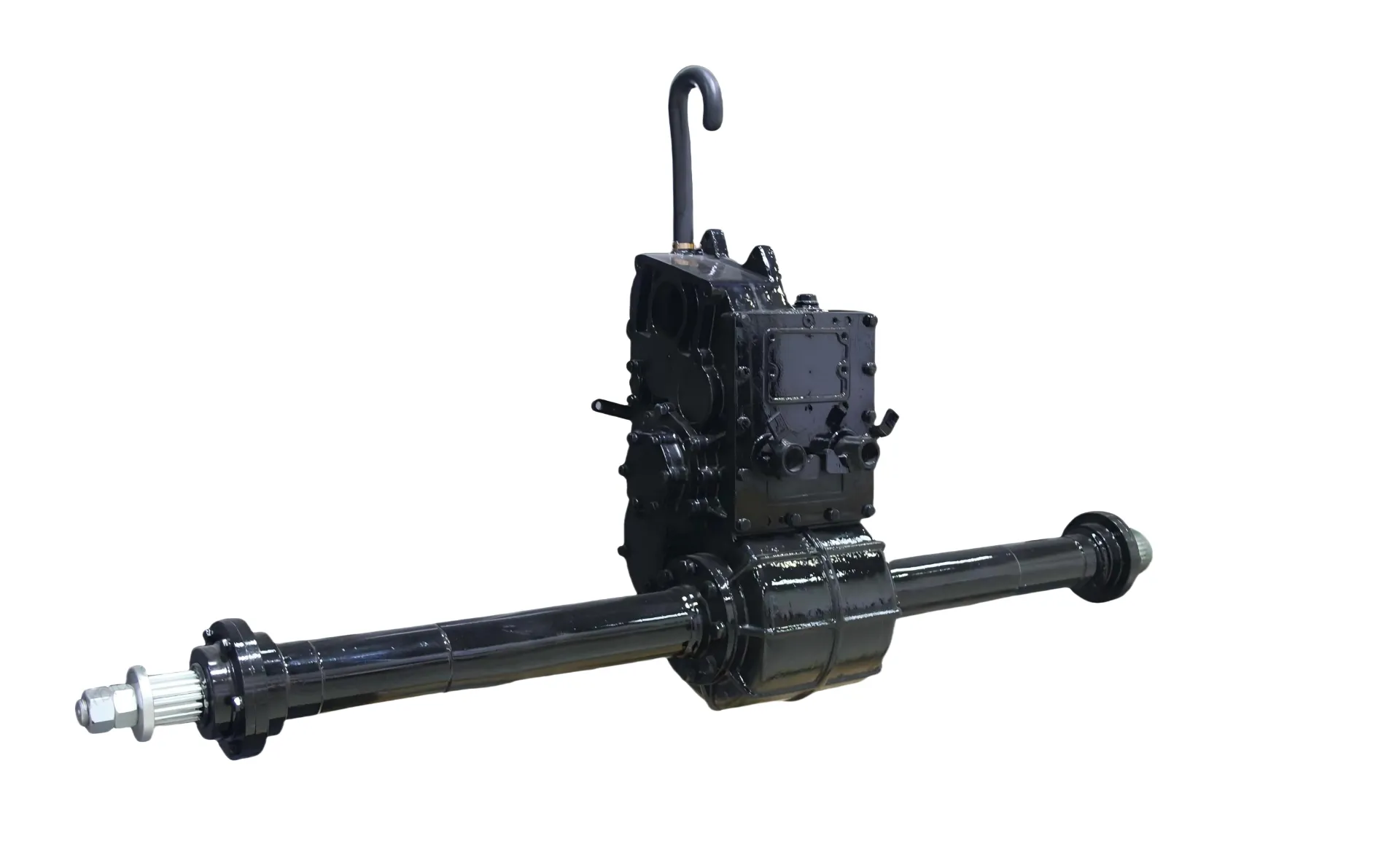
02Application of ComponentsIn agricultural machinery, the gearbox is mainly used to change the transmission ratio. Taking a tractor as an example, when the tractor needs to drive slowly in the field to cultivate the land and other operations, the gearbox can transmit the power of the engine through a lower transmission ratio, thereby outputting a larger torque to ensure that the agricultural machine has enough power to drive the agricultural implement for deep farming and other operations.
-
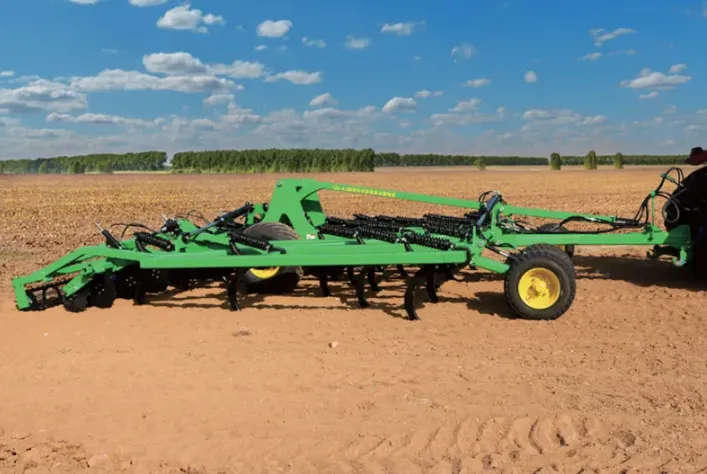
03Application of Agricultural MachineryField operations: Tractors are one of the most important power machines in agricultural production. In cultivated land operations, it can use powerful power to drive ploughshares to till the land by mounting ploughs to turn, break and level the soil, creating good soil conditions for sowing. For cultivator operations, it can mount cultivators to perform operations such as weeding, loosening and soil cultivation during crop growth to promote the growth of crop roots and nutrient absorption.
International layout
Spread all over the world
Our agricultural machinery products have won wide recognition and trust in the global market, and our sales network covers many countries and regions.




-
2026-04-05 03:53Precision Cylindrical Gear Reducer _ Low Backlash GearsThe Pivotal Role of Cylindrical Gear Reducer in Industrial Advancement and Key Industry Trends In th>
-
2026-04-05 03:37Box Truck Transmission Overheating Causes & PreventionIn the demanding world of commercial transportation, the box truck transmission is the unsung hero,>
-
2026-04-05 03:0048 Inch Rototiller - Heavy-Duty Large Area TillingExploring the 48 Inch Rototiller: Industry Trends, Technical Insights, Manufacturer Comparison & App>
Sign up
for Newsletter
Subscribe to the weekly newsletter for all the latest updates